Incorporating laser cutting, robotic welding, and sustainable practices boosts productivity, minimises environmental impact, and prepares for an AI-driven future in construction fabrication.
How do you select laser cutting systems for precision and speed in construction fabrication today?
We choose laser cutting when it suits the job. Laser cutting works well for thin or low-thickness materials. We decide the power (wattage) and laser source depending on the material’s thickness and type. While laser cutting offers excellent quality and speed, the final results depend on our automation system and software.
What benefits have robotic welding systems brought to your operations?
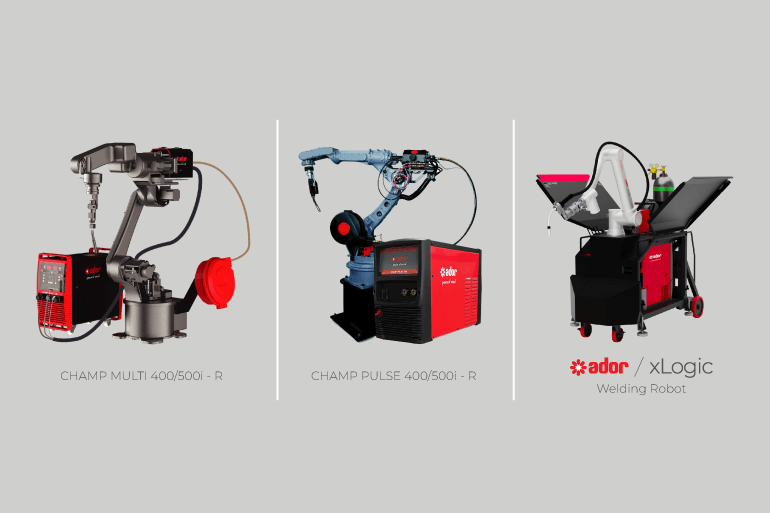
We have gained many advantages with robotic welding systems, which help to improve productivity, increase repeatability, and reduce the cost per part. It is also easier for us to achieve higher uptime and consistent quality, resulting in less idle time and reduced weld defects. Since we are making more parts correctly the first time with less rework, our operations experience fewer interruptions for maintenance or repairs. These improvements in robotic welding systems have increased the predictable results and improved our performance outcomes, customer satisfaction, and competitive capabilities in the market.
How are eco-friendly welding consumables supporting your sustainability goals?
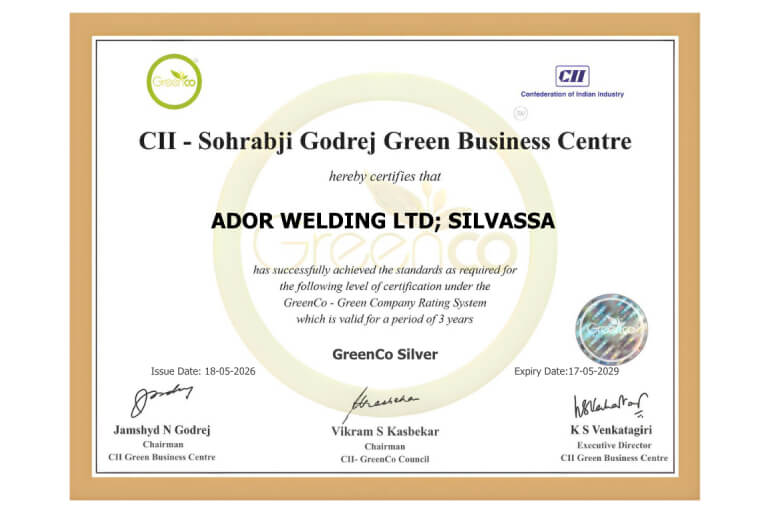
We take a long-term approach to sustainability, from the products we manufacture to implementing a variety of green manufacturing practices. Our sustainability measures include everything from zero liquid discharge practice to increased utilisation of renewable energy to investing in R&D to develop welding solutions that improve productivity while minimising energy use. These measures can help us reduce the effect on the environment while developing, improving, and innovating solutions.
Sustainable welding consumables also support our sustainability goals, reducing harmful emissions and energy consumption. We achieve this using materials like non-toxic fluxes, recyclable metals, low-emission shielding gases, etc. With these initiatives, we can eliminate harmful emissions while still achieving high-quality welds.
What training ensures operator competency with advanced welding technologies?
We ensure operator competency in using advanced welding technologies by having in-house training programs that can help simplify complex tools and techniques for operator learning and use. We deliver training in the local language, making it easier to bridge knowledge gaps and create comfort with the latest welding equipment and methods used on the shop floor to allow the operator to implement them in their work with confidence.
Our structured programs incorporate hands-on training with the latest equipment, current safety standards, and process optimisation, where the operators can learn the essentials of different welding methods, automation, robotics & quality control. Training programs should be industry-recognised to validate the skills of those individuals going through the program.
How do you work with suppliers to access customised cutting/welding automation?
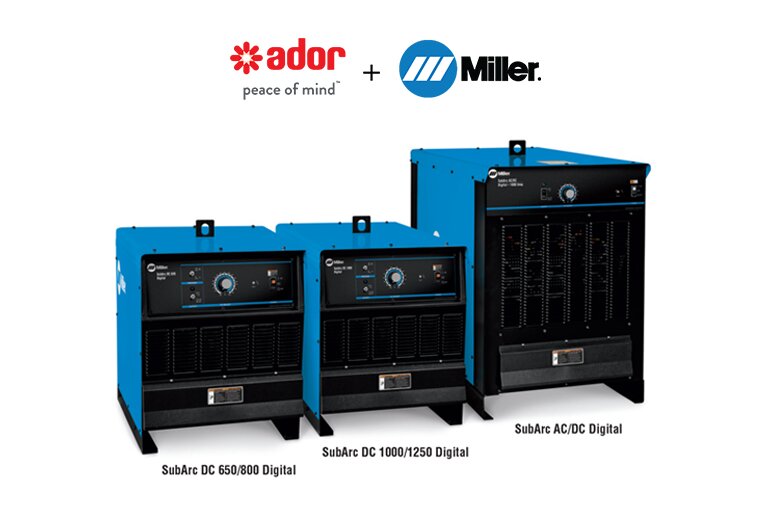
We at Ador partner closely with our suppliers, starting with clear communication about project goals and the specific customisation needs, whether for unique materials, specialised processes, or integrated automation. By setting detailed quality and value expectations upfront and maintaining open dialogue throughout the project, both Ador and its suppliers work together to turn design concepts into reliable and customised cutting and automation systems.
How will AI-driven optimisation and green welding shape procurement by 2030?
By 2030, we expect that procurement will be revolutionised by AI-powered optimisation and green welding, helping us make real-time, data-driven decisions. With solutions like Ador WeldoS, we can already track the materials used for welding, the costs and energy consumed from equipment, and ongoing use of spare parts, which are tracked digitally instead of on paper and in manual systems, giving us live monitoring data.
Procurement teams will extend their capabilities beyond manual, paper-based processes to digital, live tracking. This technological evolution will increase the adoption of more sustainable and energy-capable tools and consumables. AI insights will help us predict maintenance needs and ensure that inventory is updated accurately. Ultimately, we will see more companies procuring tools and consumables solely from suppliers that align with their sustainable ideas, and greener operations are a fundamental step toward smarter and future-proof investing.
For further information, check the reference link:
https://b2bpurchase.com/robotic-welding-systems-improve-productivity-efficiency-and-consistency/