Advanced digital welding technologies are powering a manufacturing boom, delivering up to 40% savings in consumables and faster production. This interview examines how integrated software and AI are driving profitability, despite challenges in implementing them on the shop floor.

What advancements in cutting and welding technologies improve precision, speed, and efficiency?
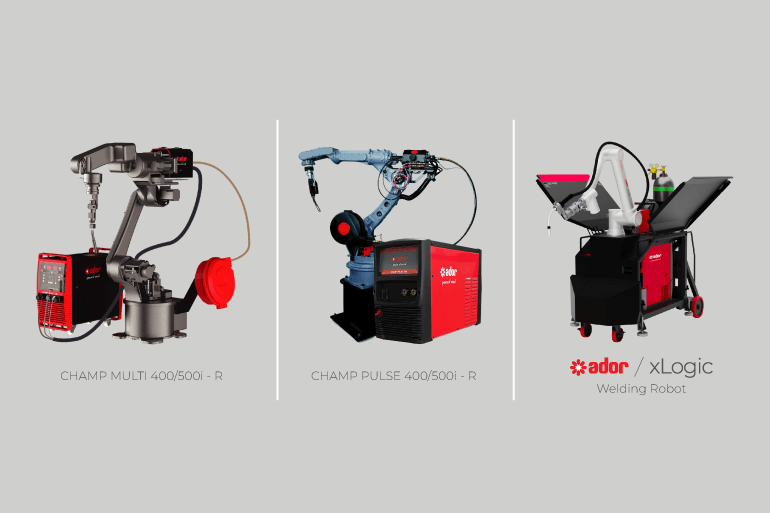
Laser welding technology provides innovative solutions to overcome the limitations of traditional cutting and welding methods. Yet, due to the high cost of implementation, its use in industry is still restricted to limited applications. Plasma and arc welding technologies also continue to advance. With digital transformation, these systems deliver better efficiency, higher quality, and reduced costs through automation and better monitoring.
The trend here is integration. Instead of one technology replacing another, industries are combining traditional and advanced methods to achieve greater efficiency and effectiveness. This approach enables the utilisation of both strengths, resulting in a smarter, connected production process.
How do these advanced machines enhance profitability through material savings and increased production efficiency?
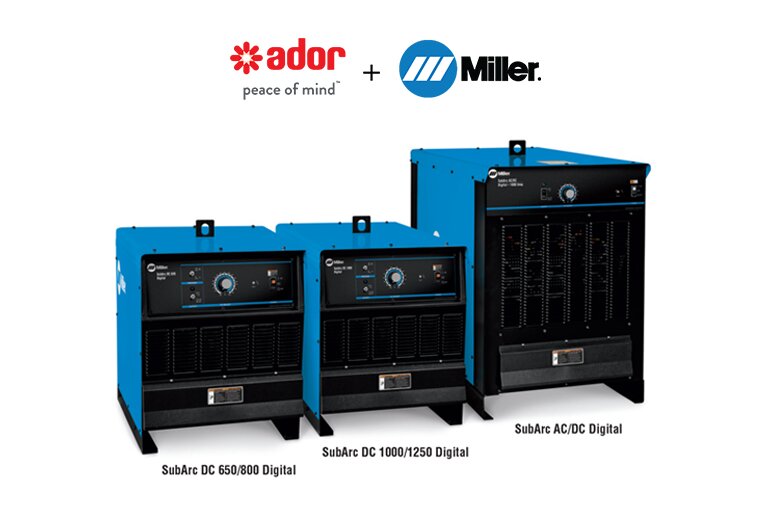
One of the notable features of our Advanced Digital MIG Welder is “Power Focus.” In a comparative study on a 20 mm butt weld, we achieved up to 60 per cent higher efficiency while reducing consumable use by nearly 40 per cent. What makes this significant is that the benefits go beyond controlled tests. In working conditions, our welders can complete more jobs using the same amount of time and resources, which helps reduce overall costs. The combined savings in time and material directly enhance operational efficiency and add value to our bottom line.
How does integrated software optimise workflow and provide data for better procurement?
Integrated software is playing a major role in shaping the future of smart factories. We are developing a digital quality tool that is poised to be a real game changer, enabling quicker, smarter, and more dependable quality checks. In this setup, the automation unit conducts online inspections, while the QC operator either confirms that the part is correct or identifies a defect. If an issue is found, the system marks it with a command for rework, such as grinding or welding, which can be taken up at the next station without any waiting time.
The real advantage is that all information is recorded in a central system. This will enable smooth integration with the quality control stage, utilising AI and ML to identify root causes, suggest corrective actions, and provide insights for ongoing improvement.
What is your 3–5-year vision for leveraging technology to enhance profitability?
The rise of smart factories powered by AI and machine learning is one of the major trends in modern manufacturing. These systems are beyond simple automation and adapt to production data, which helps improve quality, optimise material use, and reduce costs. Then the result is a production cycle that becomes smarter and more efficient over time, with consistently lower operating expenses.
What are the main challenges in implementing advanced digital technologies in your operations?
Implementing new technology on the shopfloor isn’t easy. Even if the system is intended to be simple, most tools have numerous features that can confuse users. Workers need time to familiarise themselves with the steps and become accustomed to the process. At the end of the day, it’s not just about how advanced the technology is; what really matters is if it fits into everyday work and if the team will actually use it.
For further information, check the reference link: https://b2bpurchase.com/digital-welding-tech-cuts-costs-by-40-2/