How Welding Consumable Selection Impacts Manufacturing Costs
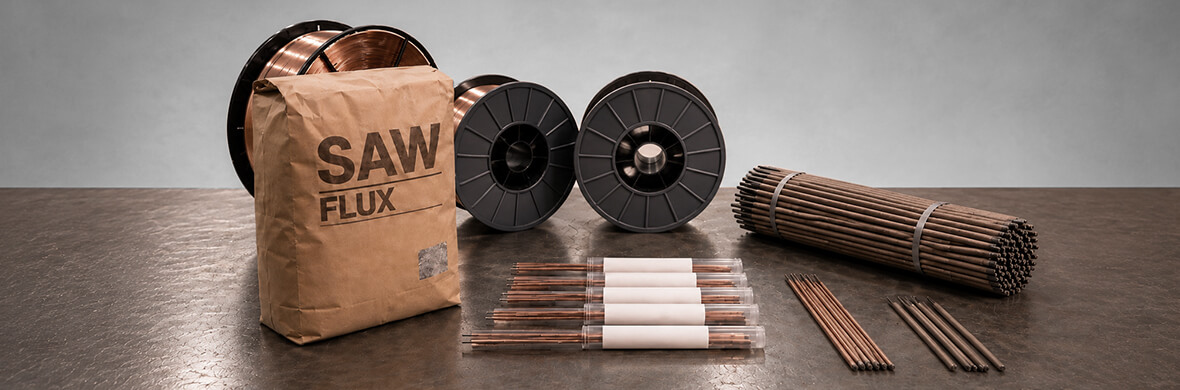
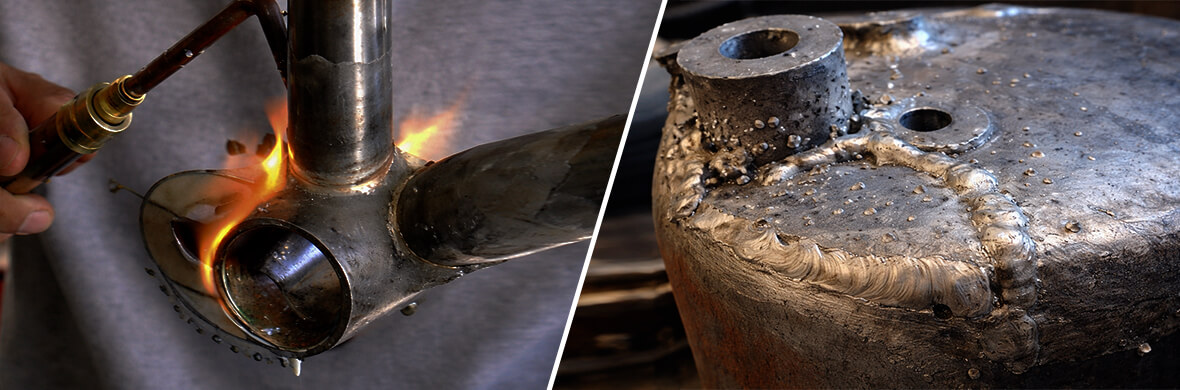
In manufacturing, welding consumables are often viewed simply as raw materials. However, the choice of consumable directly influences production efficiency, weld quality, labor requirements, and long-term asset reliability. While the purchase price of wire or electrodes is easy to compare, the true economic impact extends throughout the entire fabrication cycle.
Why Consumable Selection Matters
A welding consumable affects much more than weld metal chemistry. It influences deposition rate, welding speed, defect occurrence, rework frequency, and post-weld finishing requirements. Selecting the wrong consumable can increase production time, material consumption, and inspection costs, while the right choice can improve productivity and reduce overall manufacturing expenses.
Engineering & Application-Specific Cost Factors
Operational speed matters, but selecting a consumable based purely on deposition rates without considering engineering specifications can lead to severe financial consequences.
Base Metal Compatibility & Mechanical Properties
A consumable must chemically and mechanically match the base metal. If it fails to meet required tensile strength, impact toughness, or corrosion resistance, it can trigger catastrophic in-service structural failure. The cost of a field failure—including liability, unscheduled shutdowns, and emergency repairs—is exponentially higher than any initial material savings.
Critical Component Requirements & Position
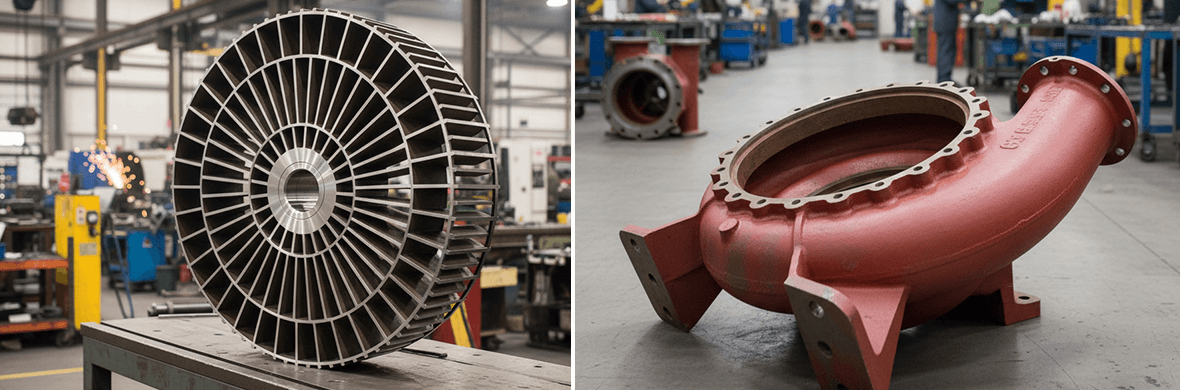
High-risk fabrications like pressure vessels and structural steel demand strict code compliance. The right consumable ensures consistent performance during non-destructive testing (NDT), preventing expensive cut-outs. Additionally, operators must consider positional weldability. High-deposition wires meant for flat welding can cause severe defects if forced into vertical or overhead positions.
Component Lifespan and Maintenance
For hardfacing or wear-resistant cladding applications, specialized consumables directly extend the operational life of machinery. Improved wear resistance means fewer maintenance cycles, lower component replacement costs, and maximized equipment uptime.
Key Cost Drivers on the Shop Floor
Deposition Rate and Productivity
Different consumables support different deposition rates. High-productivity processes like flux-cored arc welding (FCAW) and submerged arc welding (SAW) deposit significantly more weld metal per hour than manual stick welding. Because labor represents the largest portion of welding costs, faster deposition rates translate directly into reduced labor hours and higher throughput.
Higher deposition rates provide:
- Faster completion of welds
- Reduced labor hours
- Increased equipment utilization
- Higher production throughput
Material Utilization and Waste
Not all purchased consumable material becomes part of the final weld. Losses occur through stub ends, slag, spatter, and process inefficiencies. Choosing high-efficiency consumables with superior metal recovery rates minimizes material waste and lowers the total cost per meter of weld.
Consumables with higher metal recovery rates provide:
- Lower filler metal consumption
- Reduced waste generation
- Better material utilization
- Lower cost per meter of weld
Weld Quality, Cleanup, and Rework
Poor consumable choice introduces defects like porosity, cracking, or lack of fusion. Every defective weld demands costly grinding, re-welding, and re-inspection. Furthermore, consumables that generate excessive spatter increase post-weld cleanup time, creating a bottleneck in surface preparation and finishing.
Consumables that produce cleaner welds help reduce:
- Grinding time
- Surface finishing costs
- Labor requirements
- Production bottlenecks
Equipment Downtime
Frequent consumable replacement or inconsistent wire feeding can interrupt production. Downtime reduces arc-on time and lowers manufacturing efficiency.
Reliable consumables contribute to:
- Stable welding operations
- Fewer production interruptions
- Improved scheduling
- Better overall equipment effectiveness
Cost Impact Summary
| Cost Driver | Impact of Appropriate Consumable Selection |
|---|---|
| Deposition Rate | Faster welding speeds and minimized labor costs. |
| Metal Recovery | High filler efficiency with reduced scrap and waste. |
| Weld Quality | Fewer defects, eliminating expensive rework and re-testing. |
| Spatter Generation | Cleaner welds that slash grinding and finishing time. |
| Base Metal Match | Guarantees mechanical properties; prevents field failures. |
| Positional Capability | Eliminates out-of-position defects and ensures integrity. |
| Component Lifespan | Extends asset life, reducing long-term maintenance cycles. |
Looking Beyond Purchase Price
The lowest-cost consumable is rarely the most economical option. A premium consumable may carry a higher price tag per kilogram, but it easily offsets that cost by delivering higher deposition rates, lower defect rates, precise base metal compatibility, and less downtime. Manufacturers must evaluate consumables using a total cost approach rather than focusing solely on procurement costs.
Conclusion
Welding consumable selection is a strategic engineering decision, not a simple purchasing task. The right choice optimizes immediate shop-floor labor and cleanup, while simultaneously protecting the asset against catastrophic failure and lowering lifecycle maintenance costs. True profitability comes from looking past the initial price tag to evaluate total fabrication and operational value.