What Is Shielded Metal Arc Welding (SMAW) Process, Working & Applications
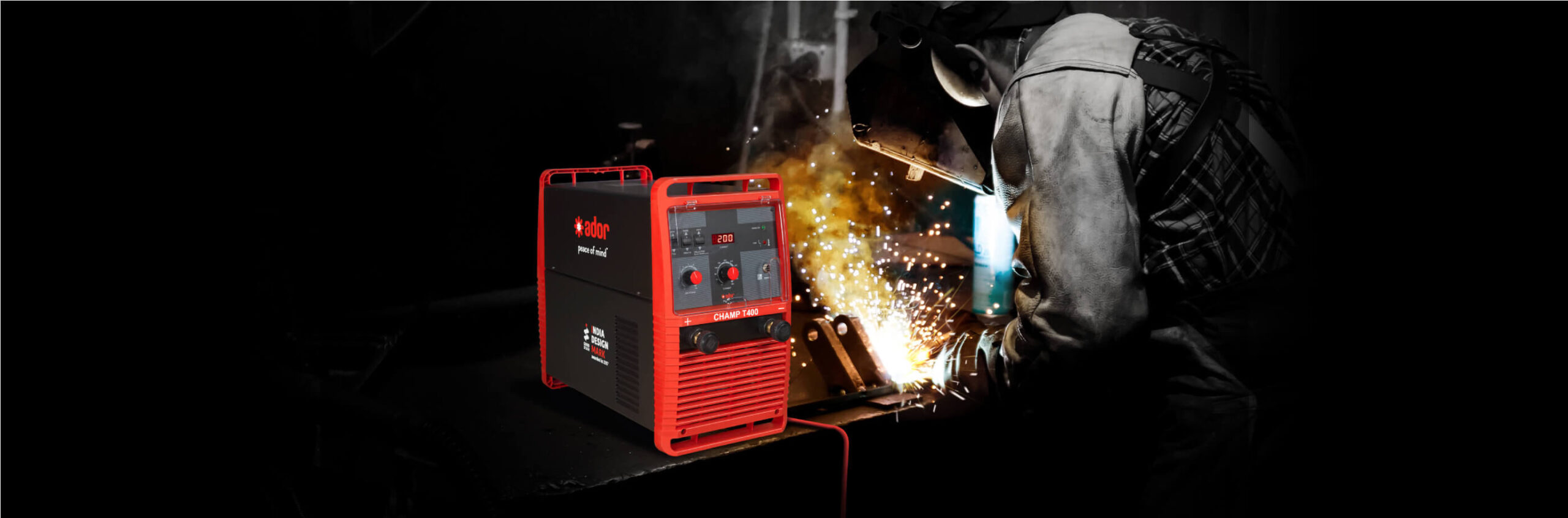
Shielded Metal Arc Welding, commonly known as SMAW or Manual Metal Arc Welding (MMAW), is one of the oldest and most trusted welding processes still in use today. Despite the rise of automated and semi-automatic welding methods, SMAW continues to dominate real-world fabrication, construction, and maintenance work.
Here’s the thing. When conditions are rough, access is limited, or the power supply isn’t perfect, SMAW still gets the job done. That’s why it remains a benchmark welding process across industries.
Shielded Metal Arc Welding (SMAW) Process
In the Shielded Metal Arc Welding process, an electric arc is established between the parent metal and a flux-coated consumable electrode. The electrical energy generated by the arc melts both the base metal and the electrode, forming the weld joint.
The flux coating on the electrode plays a critical role. As it burns, it generates shielding gases and slag that protect the molten weld metal from atmospheric contamination.
This simplicity is exactly why SMAW is the most widely used welding process globally.
Basic Requirements for the SMAW Process
Every SMAW setup relies on three fundamental elements.
1. Heat Source
- Welding power source (AC or DC).
- Typical current range: 30–400 A, depending on electrode size.
- Heavy-duty applications may use machines rated up to 600 A.
2. Welding Consumables
- Flux-coated welding electrodes.
- Electrode diameter range: 1.6 mm to 8 mm.
- Available in a wide variety of coatings and compositions for different materials and applications.
3. Skilled Welder
- SMAW is a fully manual process.
- Weld quality depends heavily on operator skill, technique, and experience.
Because of this, SMAW is often the first welding process taught to beginners and remains the backbone skill for professional welders.
SMAW Working Principle
SMAW, also known as stick welding, joins metals using an electric arc formed between a flux-coated electrode and the workpiece.
Step-by-step working:
- The power supply (AC or DC) is connected to the electrode holder and the workpiece.
- The welder strikes the arc by touching and slightly lifting the electrode from the base metal.
- The arc temperature reaches approximately 6000–7000 °C.
- This intense heat melts:
- the base metal.
- the metal core of the electrode.
- Molten electrode metal is deposited into the joint as filler material.
- The flux coating burns and produces:
- shielding gases that protect the weld pool from oxygen and nitrogen.
- slag that covers the molten and solidifying weld metal.
- After cooling, the slag is removed by chipping, revealing the final weld bead.
What this really means is that SMAW creates its own protection system during welding, without needing external shielding gas.
Advantages of the SMAW Process
- One of the simplest welding processes to learn and apply.
- Highly portable equipment.
- Low initial equipment cost.
- Wide availability of electrodes for different metals and applications.
- Suitable for welding a broad range of metals and alloys.
- Can be used in all welding positions.
- Effective for both indoor and outdoor welding.
- Performs well even with long welding cable lengths.
- Works on slightly rusty or contaminated surfaces.
This combination of flexibility and reliability makes SMAW hard to replace in field conditions.
Limitations of the SMAW Process
- Low productivity due to frequent electrode changes.
- In a typical 10-minute cycle, actual welding time is around 6 minutes.
- Flux coatings can absorb moisture, leading to weld defects if not stored properly.
- Higher risk of safety issues, such as:
- arc strikes
- stray current
- electric shock
- Entirely manual, so the weld quality depends on operator skill and consistency.
These limitations explain why SMAW is less common in high-speed mass production environments.
Major Industrial Applications of SMAW
1. Construction Industry
- Structural steel fabrication.
- Buildings, bridges, towers, and frameworks.
- On-site welding, where portability is essential.
2. Oil & Gas Industry
- Pipeline welding and repair.
- Refineries and offshore platforms.
- Ideal for outdoor and windy conditions.
3. Power Plants
- Boiler tubes.
- Pressure vessels.
- Maintenance welding in thermal and hydro power plants.
4. Shipbuilding & Marine Industry
- Hull fabrication.
- Deck structures.
- Repair of ships and offshore installations.
5. Heavy Equipment & Machinery
- Earth-moving equipment.
- Agricultural machinery.
- Mining equipment.
- Repair and refurbishment of worn components.
6. Maintenance & Repair Work
- Crack repair in steel structures.
- Restoration of worn or damaged machine parts.
- Field repairs where other processes are impractical.
7. Automotive & Transport
- Chassis repairs.
- Truck bodies.
- Railway wagons.
- Primarily used for repair, not mass production.
8. Fabrication Workshops
- Gates, grills, frames, tanks.
- General-purpose steel fabrication jobs.
Why SMAW Is Still Widely Used
- Low equipment investment.
- Easy setup and transport.
- Capable of welding thick sections.
- Tolerant of less-than-perfect surface conditions.
- Suitable for remote and challenging locations.
Final Takeaway
SMAW or MMAW remains the most widely used welding process worldwide, accounting for nearly 70% of welding applications, including both joining and hardfacing work.
Its versatility, reliability, and ease of use have earned it a permanent place across industries. While newer welding technologies have their advantages, SMAW continues to be the benchmark process for welding under real operating conditions.
In short, when flexibility matters more than speed, SMAW is still the process welders trust.